
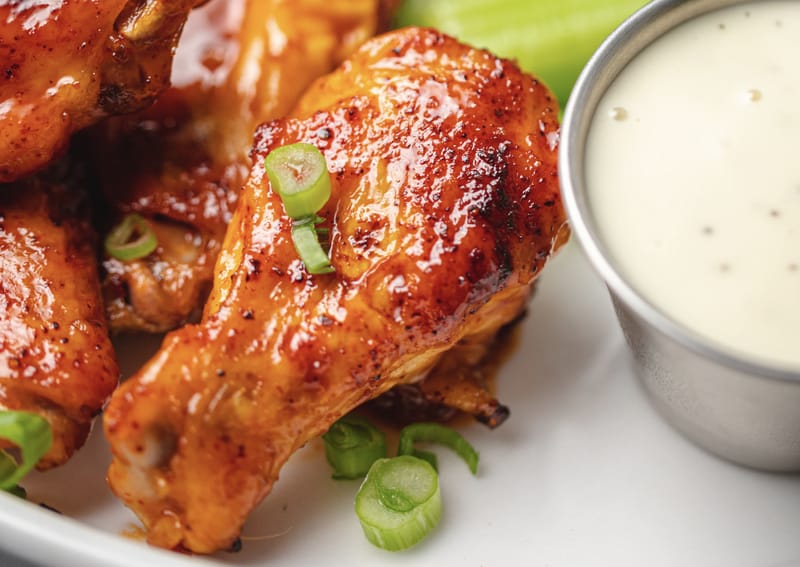
What is the ideal internal temperature for cooked chicken wings? Well, in my experience with cooking wings for years the ideal temperature is about 185 °F. Although the temperature to bring chicken wings where they are safe to eat is 165 °F, you will want to exceed this internal temperature to get the wings the right level of crispy while still keeping them juicy. Going far above 200 °F can burn and dry out your chicken wings.

If you’re like me, you want your chicken wings to be crispy on the outside and juicy on the inside. But how do you achieve that perfect wing?
The best way is a combination of visual cues as well as using a meat thermometer to determine the ideal internal temperature! This guide will show you the correct temperature for chicken wings, so you can cook them perfectly every time. Let’s get started!
The chicken wing, often underestimated, is a flavorful and versatile piece of meat. But how do you know when they’re done?
The importance of watching the internal temperature of food
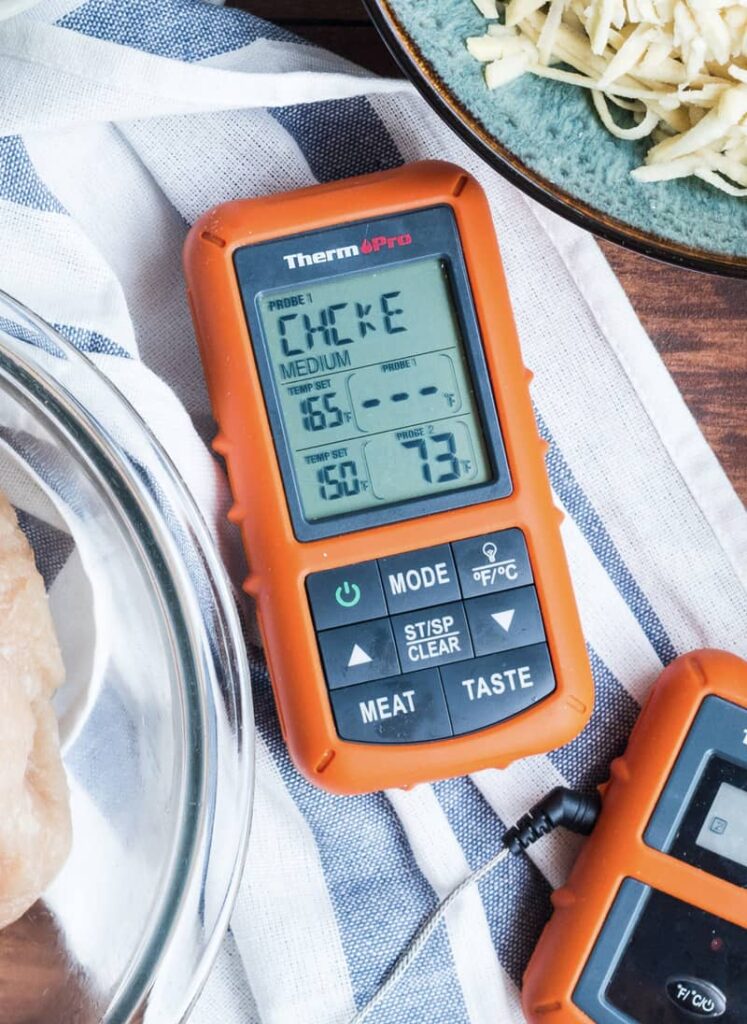
Anyone who’s ever overcooked a steak knows the importance of monitoring the internal temperature of food.
But it’s not just meat that benefits from careful temperature control. Eggs, for instance, can be either poached or scrambled depending on whether they’re exposed to low or high heat.
The same is true of many vegetables – cook them for too long, and they’ll turn to mush. Having a reliable food thermometer is essential for any cook who wants to produce perfectly cooked dishes every time.
With a food thermometer, you can rest assured that your food will always be cooked to perfection, no matter what you’re making. So next time you’re in the kitchen, make sure to reach for your thermometer – your taste buds will thank you.
Can I tell if the chicken wings are done by the internal temperature?
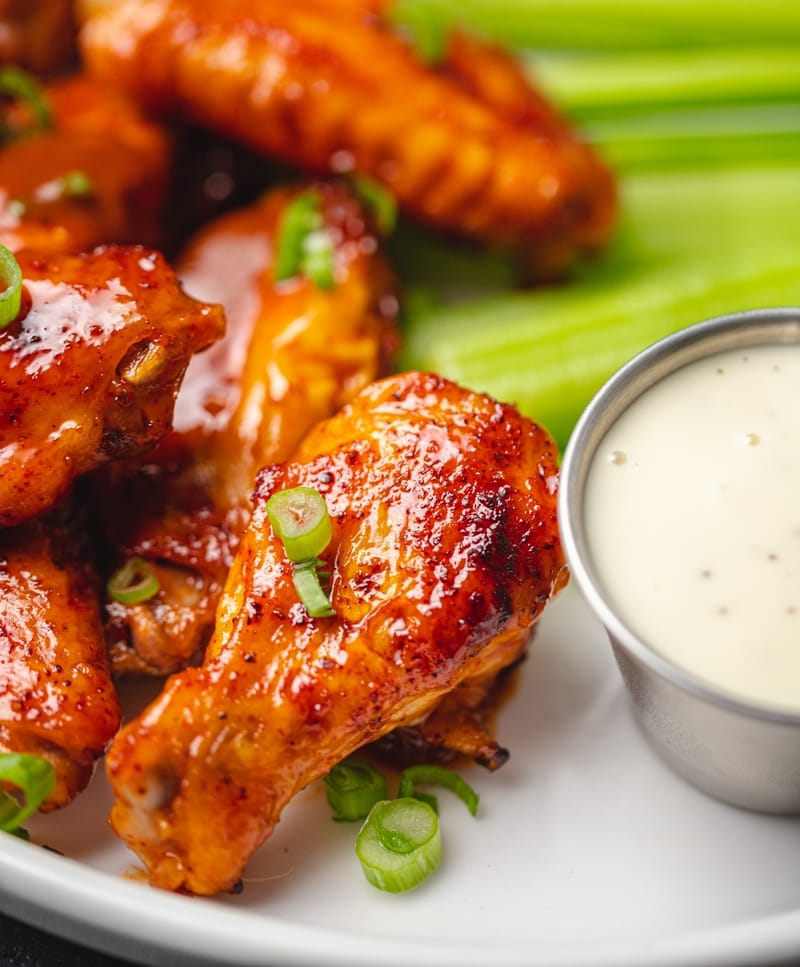
Yes, you can. According to the FDA, as well as common knowledge in the cooking world, chicken wings must be brought to at least 165 °F to ensure that the chicken wings are safe to eat.
If you didn’t know that though you are not alone. According to a new study only about a third of Americans can correctly identify the safe internal temperature for chicken, which is 165 degrees Fahrenheit.
So how can you tell if your wings are done?
One way is to use a meat thermometer. Another is to look for juices that run clear when the meat is pierced with a fork. And if all else fails, you can always give them to your dog- he’s sure to be able to tell when they’re done (kidding)!
How can I see the internal temperature of chicken wings?
If you’ve never used a meat thermometer before, most models are pretty simple. Just insert a meat thermometer into the thickest part of the wing (being careful not to touch bone) and wait a few minutes. The readout of the thermometer should be fairly stable and give you a good idea of the internal temperature.
If you’re not sure about the accuracy of your thermometer, it’s best to err on the side of caution and cook the chicken until it is well done. After all, there’s nothing worse than undercooked chicken wings!
Ideal internal temperature for cooked chicken wings
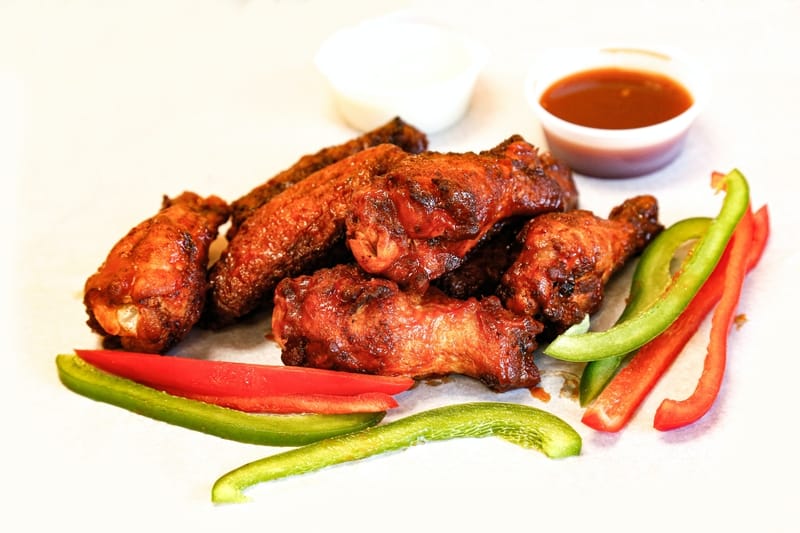
To ensure that chicken wings are cooked through, it is important to at least reach an internal temperature of at least 165 degrees Fahrenheit, but if you want your wings crispy, juicy and delicious aim for 185 degree Fahrenheit.
This temperature will ensure that any harmful bacteria are killed and that the meat is cooked properly. However, it is also important to not overcook the chicken wings, as this can lead to dry and tough meat.
What is the minimum internal cooking temperature for chicken wings?
The minimum internal cooking temperature for chicken wings is 165 degrees Fahrenheit. When cooking chicken wings, it is important to use a food thermometer to ensure that they have reached the proper temperature.
Otherwise, there is a risk of illness, even if the wings look cooked on the outside. For best results, cook chicken wings until they are golden brown and juicy, and remember to always practice safe food handling procedures.
At what temperature are chicken wings done and safe to eat?
The Centers for Disease Control and Prevention (CDC) recommends cooking chicken wings to an internal temperature of 165 degrees Fahrenheit.
However, this temperature can vary depending on the chicken wing you are cooking. For example, traditional chicken wings with bone-in are usually larger and take longer to reach the desired temperature than boneless chicken wings.
Additionally, deep-fried chicken wings will cook more quickly than oven-baked wings. As a result, it is important to use a food thermometer to ensure that your chicken wings are cooked to the CDC’s recommended temperature.
This will help to prevent any potential health risks and ensure that you enjoy a safe and delicious meal.
Other Signs That Chicken Wings Are Done
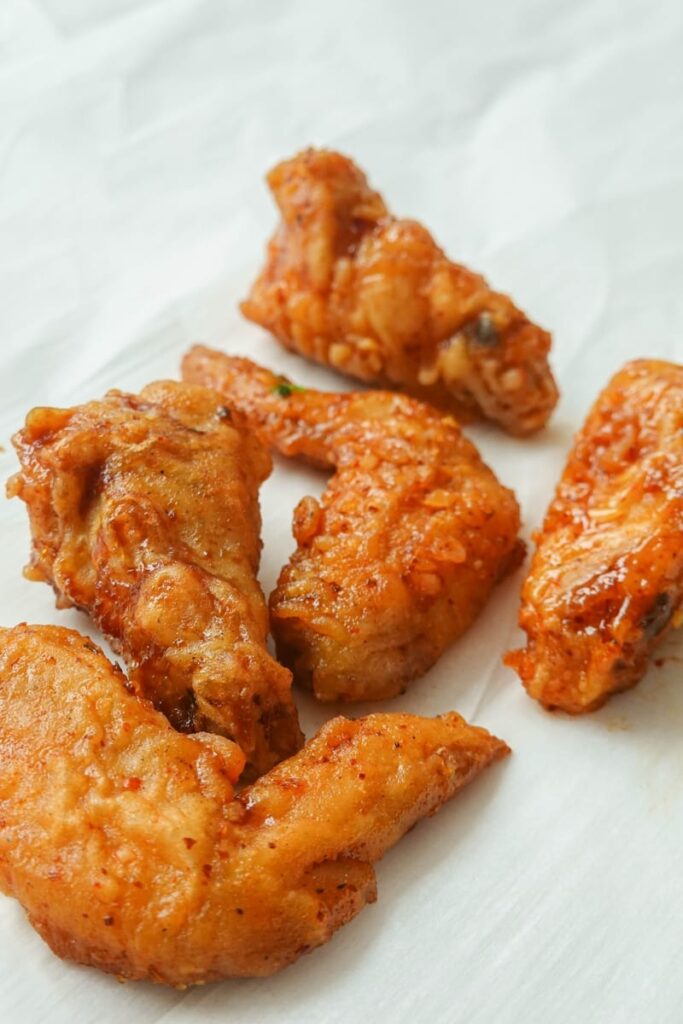
1) Look at the color of the chicken wings. When they are cooked through, they will be a rich golden brown.
2) Any cook worth their salt knows that properly cooked chicken is juicy and tender, with crispy golden skin. One way to tell if your chicken wings are done is to check the juices. The juices should run clear when you pierce the meat with a knife. If they’re still pink or red, your chicken isn’t quite ready.
However, if the juices are brown or black, your chicken is overcooked and dry. Checking the juices is a quick and easy way to ensure your chicken wings are cooked to perfection.
3) If you are using a slow cooker, the chicken wings should fall off the bone when they are done cooking.
4) Look at the texture of the chicken wings. They should be cooked through and no longer pink in the center.
5) Try to bend the chicken wing. If it bends easily and the bone is exposed, it is done cooking.
6) Check to see if the skin is crispy and golden brown.
7) Smell the chicken wings. They should smell cooked and have a slightly smoky flavor from being grilled or roasted.
8) Take a bite of the chicken wing (only if it is above 165 °F). It should be cooked through and juicy, with no pink meat remaining.
9) The ends of the chicken wings should be slightly charred if they have been grilled or roasted.
The significance of cooking meals at the proper temperature
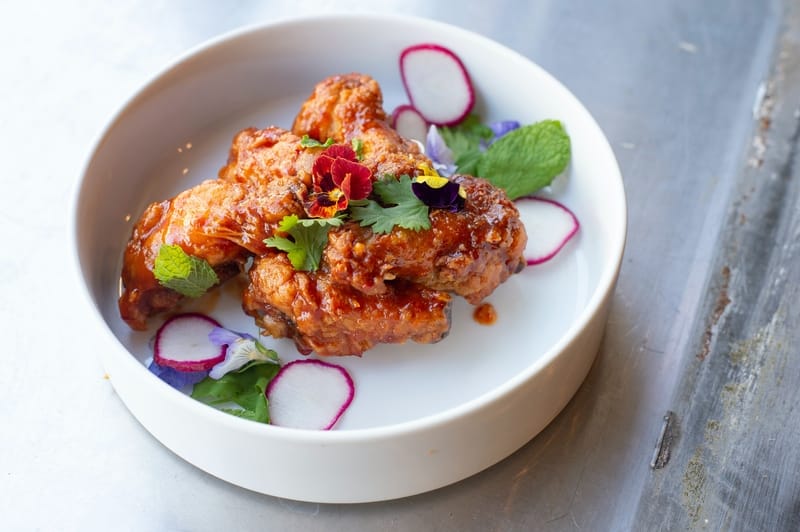
1. It helps ensure the safety of the food
When cooking, it is important to ensure the food reaches a high enough temperature to kill any bacteria present. This is especially important when cooking meat, poultry, and seafood.
2. It helps ensure the quality of the food
Cooking at a lower temperature for a longer time can help preserve the quality of the food and prevent it from drying out or becoming overcooked.
3. It helps to prevent food waste
By monitoring the internal temperature of the food, you can ensure that it is cooked properly and avoid wasting any food that may be spoiled or overcooked.
4. It can help improve the flavor of the food
When cooking at a lower temperature, the flavors of the ingredients have more time to meld together, resulting in a more flavorful dish.
5. It can help to tenderize tough cuts of meat
Cooking tough cuts of meat at a lower temperature for a longer time can help break down the connective tissue and make them more tender.
6. It can help to prevent the formation of harmful compounds
When food is cooked at a high temperature, certain harmful compounds can be formed to potentially increase the risk for cancer or other health problems.
7. It can save energy
Cooking at a lower temperature often requires less energy than cooking at a higher temperature. This can be beneficial both for your wallet and for the environment.
8. It can help to preserve nutrients
Some nutrients are lost when food is cooked at a high temperature. Cooking at a lower temperature can help to preserve some of these nutrients.
9. It can make food more digestible
High temperatures can sometimes make food more difficult to digest. Cooking at a lower temperature can help make food more digestible for some people.
10. It can be safer
High temperatures can pose a safety hazard in the kitchen. Cooking at a lower temperature can help to prevent accidental burns or other injuries.
Things to serve with perfectly cooked chicken wings
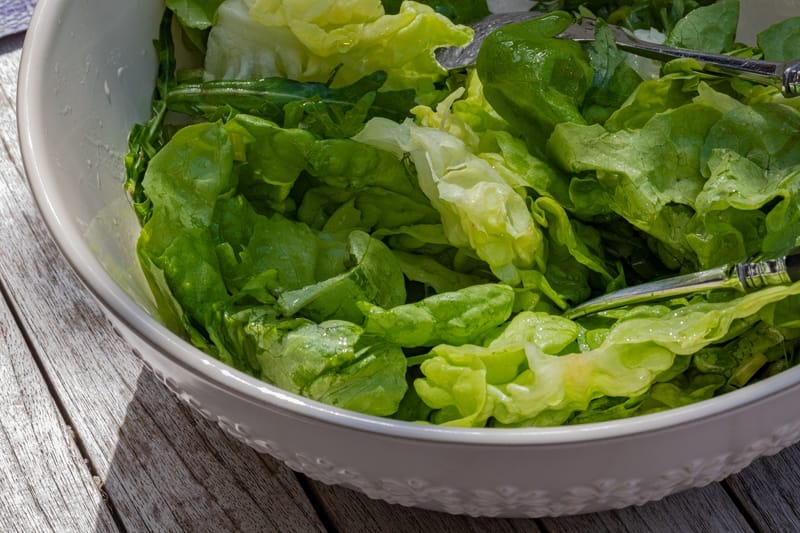
1. A simple salad: greens dressed with a few acidity cut through the richness of the chicken wings.
2. Roasted vegetables: Try roasted cauliflower, Brussels sprouts, or sweet potatoes.
3. Another protein: maybe some grilled steak or salmon?
4. Something pickled: cucumbers, onions, or peppers would all work well here.
5. A dollop of yogurt or sour cream: It helps to balance out the spice from the wings.
6. Crudités and dip: always a good idea to have some veggies on hand for dipping.
7. A grain salad: quinoa, farro, or rice would all be great choices.
8. A simple pasta dish: something like spaghetti with olive oil and garlic would be great.
9. A big green salad: full of healthy ingredients and makes a great side dish.
10. Roasted potatoes: another great option for dipping into sauces.
11.Ice cream or sorbet: because why not? Chicken wings are delicious and deserve a celebratory dessert!
Final Words
Chicken wings are a delicious and popular snack, but it is important to cook them properly to avoid foodborne illnesses. The best way to ensure that chicken wings are cooked is to use a food thermometer and check for an internal temperature of at least 165 degrees Fahrenheit.
Similar Articles from HotSalty: